
Panaceutics
MyoFibrox®
Oncology

MyoFibrox®

NGN 180,000.00

Myofibrox is a proprietary blend of four herbs with definitive action on four key pathological drivers of uterine fibroids. The first component antagonizes progesterone/PR-A/PR signaling. The second component is a dual inhibitor of intratumoral aromatase and 17β-HSD1. The third plant targets matrix remodelling via the profibrotic TGF-β/SMAD3 axis, While the last plant component is anti-proliferative and survival circuitry modulator acting via Wnt/β-catenin/PI3K/AKT/mTOR/MAPK/ERK. This formulation also benefits from the inherent blockage of NF-κB-driven inflammation, oxidative stress due to the ubiquitous flavonoid class present in medicinal plants. Patients are also encouraged daily doses of Vitamin D3 supplement, which restrains further proliferation and ECM deposition via vitamin D receptor and PPARγ pathways. Our proprietary MyoFibrox achieves substantial regression and symptom control in human patients.

Quantity:
1

Related Products

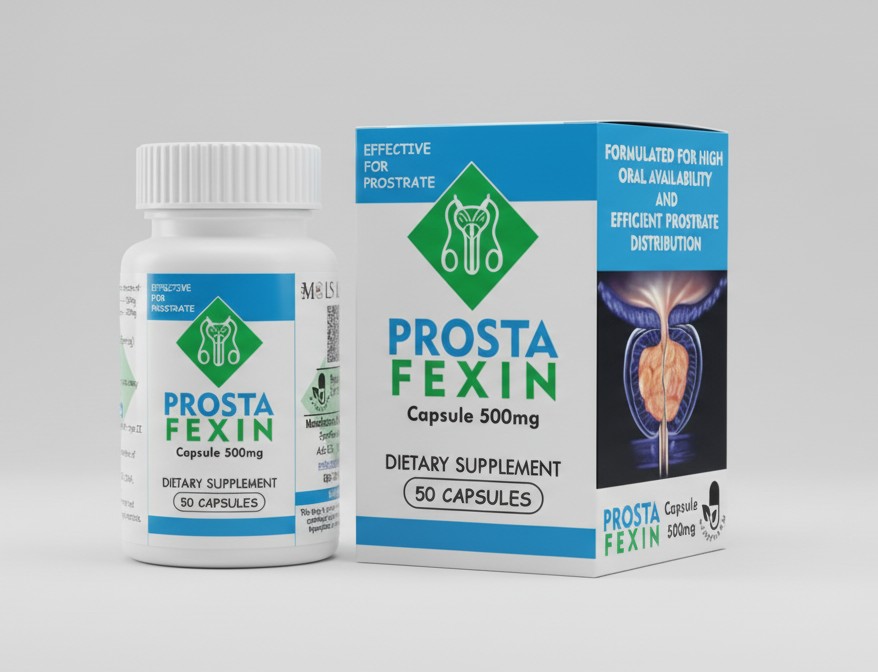
Prostafexin®

Prostafexin®

Prostafexin is a scientifically validated and standardized herbal formulation already established for centuries. One of the components achieve dual 5α-reductase/PDE5 inhibition thus, countering the ED effect of 5α-reductase inhibition. Another component specifically blocks α1A-adrenoceptor signalling, causing relaxation of the smooth muscle tissue in the prostate and bladder neck, thus, improving urinary flow and reduces lower urinary tract symptoms.

NGN 150,000.00
Atxilox®

Atxilox®

Beyond any tissue-specific proliferative signals that drives oncogenesis, all pathways must ultimately cascade to cell-cycle; thus, our proprietary Atxilox is a carefully blended botanicals which specifically inhibits CDK4/6-cyclin D-Rb, recovers mitochondrial apoptosis evasion via Bcl-2/Bcl-xL/Mcl-1, XIAP/survivin downregulation and blockage of VEGF/VEGFR angiogenesis which sustains tumour vasculature.

NGN 200,000.00
Metaxin®

Metaxin®

In cancer patients, metastasis begins when cells at the primary tumour switch from a stable, cohesive state to an invasive one driven principally by hypoxia, inflammation and a stiffening, fibrotic stroma. Hypoxia stabilises HIF-1α, and together with TGF-β, Wnt and NF-κB signalling this activates EMT transcription factors (Snail, Twist, ZEB1). These repress E-cadherin, so cells lose adhesion to neighbours, gain a mesenchymal, motile phenotype, and acquire stem-like and survival traits.

NGN 200,000.00