
Panaceutics
Atxilox®
Oncology

Atxilox®

NGN 200,000.00

Beyond any tissue-specific proliferative signals that drives oncogenesis, all pathways must ultimately cascade to cell-cycle; thus, our proprietary Atxilox is a carefully blended botanicals which specifically inhibits CDK4/6-cyclin D-Rb, recovers mitochondrial apoptosis evasion via Bcl-2/Bcl-xL/Mcl-1, XIAP/survivin downregulation and blockage of VEGF/VEGFR angiogenesis which sustains tumour vasculature. A patient on Atxilox is also treated with Sphenolax and Nu-beta, these formulations jointly reverse Warburg metabolic effect and dyslipidemia. Since our preparation method is aimed at preserving the flavonoid-class within other key target phytochemicals, Inflammation and redox imbalance associated with carcinogenesis is blocked by the flavonoid-rich fraction via NF-κB/STAT3/COX-2/PGE₂/ROS pathways. Thus, Atxilox reduces tumour volume, and ultimately promotes patient survival as a single agent, and when combined with chemotherapy, it mitigates against therapy resistance.

Quantity:
1

Related Products

MyoFibrox®

MyoFibrox®

Myofibrox is a proprietary blend of four herbs with definitive action on four key pathological drivers of uterine fibroids. The first component antagonizes progesterone/PR-A/PR signaling. The second component is a dual inhibitor of intratumoral aromatase and 17β-HSD1.

NGN 180,000.00
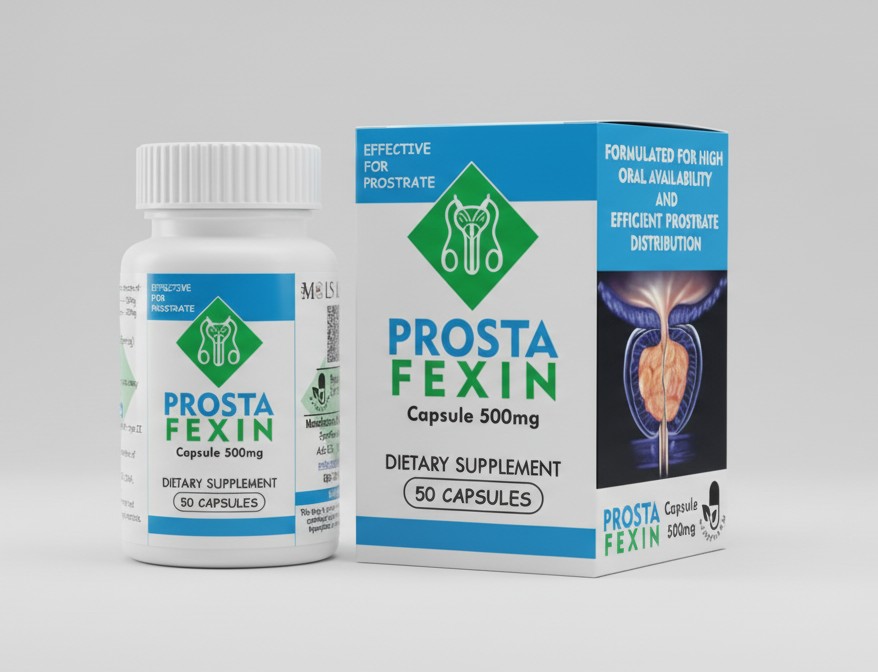
Prostafexin®

Prostafexin®

Prostafexin is a scientifically validated and standardized herbal formulation already established for centuries. One of the components achieve dual 5α-reductase/PDE5 inhibition thus, countering the ED effect of 5α-reductase inhibition. Another component specifically blocks α1A-adrenoceptor signalling, causing relaxation of the smooth muscle tissue in the prostate and bladder neck, thus, improving urinary flow and reduces lower urinary tract symptoms.

NGN 150,000.00
Metaxin®

Metaxin®

In cancer patients, metastasis begins when cells at the primary tumour switch from a stable, cohesive state to an invasive one driven principally by hypoxia, inflammation and a stiffening, fibrotic stroma. Hypoxia stabilises HIF-1α, and together with TGF-β, Wnt and NF-κB signalling this activates EMT transcription factors (Snail, Twist, ZEB1). These repress E-cadherin, so cells lose adhesion to neighbours, gain a mesenchymal, motile phenotype, and acquire stem-like and survival traits.

NGN 200,000.00